


People are not expected to be organized all the time. Instead, you should engage in a joyful activity you look forward to and enjoy performing rather than feeling stressed or pressured. There is no specific way to organize. So, the ideas presented in this article are just tried-and-true recommendations. You can explore the organization further to choose the techniques that suit you.
6 Organizing Advantages
- Elevated comfort level.
- Increased stability.
- Enhanced ability to focus.
- Enjoyment in organizing and categorizing things.
- Mental clarity.
- Increased love and peace for the world following the organizing process.
The Organizing Experience
The experience begins when you notice how much chaos and accumulation exist in your life. At that point, do not criticize yourself; simply answer the following question: "What would I like to do about it?" You will discover that you want to organize aspects of your life.
This question helps you commit and set your intention. After that, you start designating units for collection and choosing the equipment and materials needed for sorting and organizing.
It is best to organize gradually. So, do not try to eliminate all the chaos and accumulations at once. Try your hardest to have fun while organizing and behave like young children playing. Consider it an enjoyable activity that you are not forced to perform.
At first, you may feel that you cannot arrange all this chaos, and that's okay. Instead of concentrating on the outcome, you should immerse yourself in the organizing process because you are enjoying it. You can dedicate 10-15 minutes to the process several times a day.
Try to spread the process over several days and avoid doing it all at once. Things will improve gradually, and you will feel that your life is organized. This reassuring sensation is fleeting, so savor it while it lasts. Think of it as springtime sunshine.
Organization Tools
Here are 4 essential tools used in the organization:
1. Notes Apps
Note-taking applications store and sort all your tasks and details, such as project plans, random ideas, interests, etc. Numerous note-taking apps are available, such as Google Keep, Evernote, Notion, Roam Research, Obsidian, and Apple Notes.
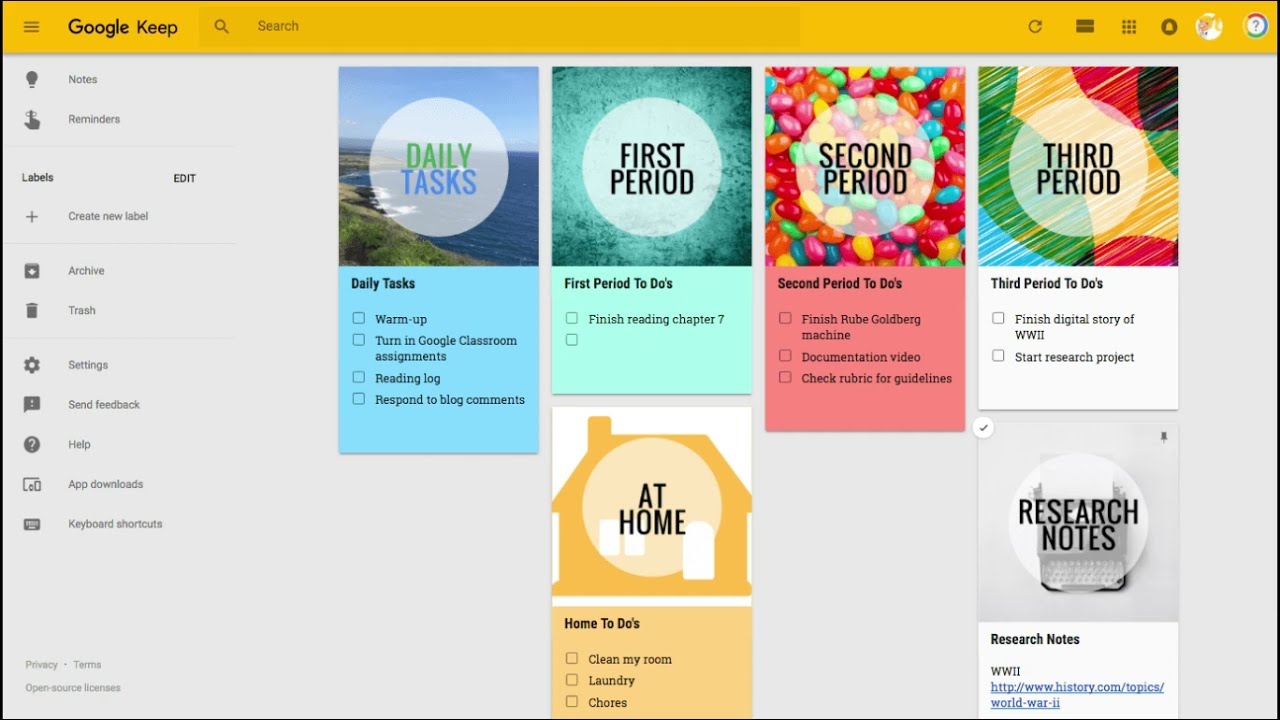
Also, there are smaller useful apps like Bear, Supernotes, Mem.ai, and Lazy.so. Generally, it is recommended to use Roam Research, Supernotes, Apple Notes, or Google Keep, depending on the smartphone type.
2. Task Management Apps
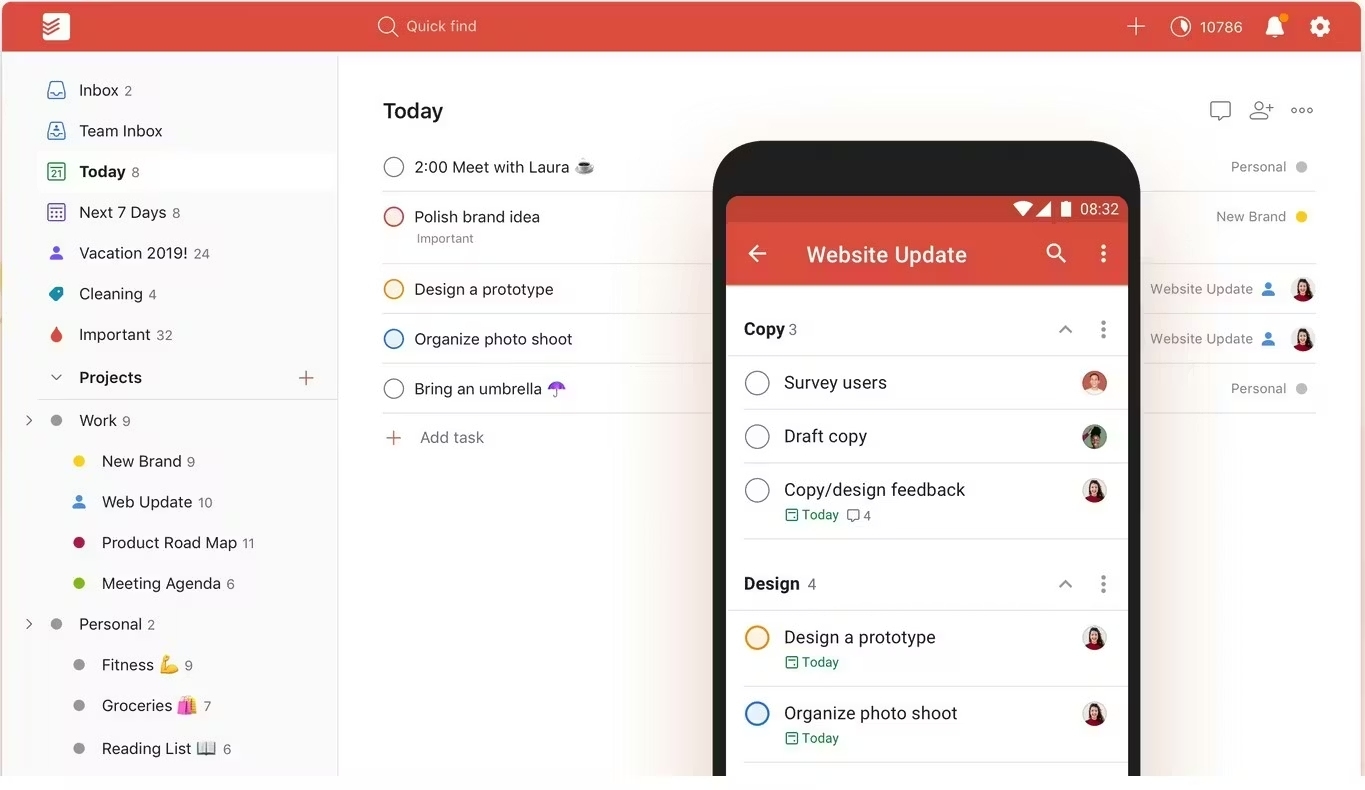
Task management applications store all commitments in work and personal life. They allow you to categorize related tasks into distinct groups, like "Inbox," "Today's Tasks," and "Upcoming Tasks." Useful task management apps include Todoist and Things, which work on Mac and iOS devices.
3. Email
It should be noted that email is not a collection tool but an inbox. It is recommended to use an app like Gmail or Superhuman that makes it simple and quick to sort and browse through the inbox's messages.
4. Browser Tabs
You should find an effective way to forward open tabs to notes and task apps. You can use the Arc browser to group and categorize browsing activities into work, personal life, finances, messages, etc.
5. Folders
Organizing computer files into folders for downloads, financial matters, work projects, personal files, etc is recommended.
Handling Accumulations
The challenge of organization is not in selecting tools and allocating things to groups; rather, it is in the person's sense of anxiety and stress brought on by the clutter buildup, which causes them to put things off. This procrastination is frequently the primary cause of clutter accumulation and out-of-control situations.
Here are 3 tips for handling accumulations:
1. Work in Short Bursts
When clutter and accumulations grow, it is recommended to work in short bursts. For example, you can organize 5 items, take a break, and then get back to work.
2. Don't Focus on the Final Result
You may feel frustrated when you work for a long time and still have many tasks left to organize because you associate your success with getting rid of all the accumulations at once. Therefore, it is recommended to enjoy the process itself and not focus on the final result.
3. Enjoy the Organization Experience Itself
Humans naturally enjoy organization and sorting and feel frustrated by accumulation and clutter because it is considered unnatural for them. However, can't you consider this accumulation an opportunity to enjoy organizing?
You should get ready, work for a little while, take a break, and then return to work with renewed vigor and affection.
Inbox
Before sorting, you should select the task and item collection tools. These tools include:
1. Inbox
All messaging apps, including email, are considered inboxes. Initially, the inbox is used to collect tasks, notes, and tabs; later on, it is used for sorting and organizing.
2. Sorting the Inbox
The inbox is used to gather similar items before organizing and sorting them. Don't worry about completely eliminating the backlog; instead, focus on regular collection and sorting. Try to organize the accumulated clutter in each inbox, and make sure to perform regular sorting operations daily or weekly.
3. Collection Units
You should create units to collect emails, tabs, and other tasks. For example, you cannot close a tab before forwarding it to a task management app. Similar tasks should also be collected in one place, like a note in a note-taking app.
While working on projects, you can use notes, documents, or folders to collect web pages, research, and details. Some people use note apps to collect details related to fitness plans and interests, for example.

Sorting Steps
Here are 4 steps for the sorting process:
1. Organizing in Batches
You can start organizing any task you choose and complete the work gradually, one by one.
2. Identifying Tasks that Need Sorting
Author David Allen explains the two-minute rule, which requires performing tasks that take two minutes or less immediately and sorting the rest. Tasks that take more than 10 minutes should be sorted and postponed for later.
3. Sorting
At this stage, the task is sorted into the appropriate collection unit and removed from the inbox. For example, you can sort an email into the task management app and then archive it. Also, you can archive newsletters you don't need or store them in read-later services like Matter, Instapaper, or Pocket for later reading.
Note apps are used to collect and sort fitness-related tasks, mindfulness, ongoing projects, and future readings and viewings. Set aside a few minutes daily to complete this process.
4. Moving to the Next Task
After sorting the task, you should delete it from the inbox and go on to the next one.
Maintaining Organization
You must wonder how to maintain this organization and use the storage and sorting units.
You can't empty the collection units and keep everything organized all the time because you'll constantly receive emails and new tasks. Accumulation and chaos are natural parts of life, and there's no need to seek perfection and strive to keep everything organized all the time to avoid stress in your life. This article's ideas are meant to help you enjoy organization without feeling pressured to keep it that way all the time.
Here are 4 steps to work on organizing your inboxes and collection units:
1. Set Aside Some Time to Organize Your Inbox Daily
You don't have to worry about keeping your inbox organized all the time. Instead, sort and organize only once or twice a day and check it periodically to review important messages. Don't try to empty the inbox completely; it's sufficient to organize a little bit every day and make sure to perform a more thorough sorting once a week.
2. Set Aside Some Time to Review the Collection Units
Take a few minutes every morning to prioritize the tasks that need to be completed during the day and move them to the "Today's Tasks List.". This method allows you to focus on daily tasks and complete them in the correct order.
3. Focus on Specific Collection Units
Some units used to collect specific files, such as project details and financial procedures, require regular focus. Some financial and administrative tasks, household chores, and personal needs require daily and weekly follow-up.
4. Maintain Organization
It's normal for disarray to build up occasionally. When that happens, collection and sorting strategies will be necessary. So, enjoy the organizing and sorting processes rather than viewing them as a burden.
In Conclusion
You don't have to stay organized all the time. The article provided information that encourages organizing accumulations with enthusiasm and enjoyment. So, approach the subject with love, fun, and enjoyment. Don't stress yourself out about organizing or trying to finish the accumulation all at once.


Add comment