



The misfortune is that we can no longer tell if the ideas that enter our heads are the product of our brains or if they are the consequence of fleeting, momentary emotions that drive us to make irreversible, fateful decisions and then leave us to our fate.
| We are merely a feather being blown by the winds of emotions amidst storms. |
What Is Self-Regulation?
Self-regulation, also known as emotional regulation, is the conscious management of our feelings, thoughts, events, experiences, or behaviors. In other words, self-regulation allows us to practice emotional intelligence and prevents our emotions from controlling us.
Self-regulation, for instance, can enable us to pause, take a deep breath, and refrain from expressing our emotions through words when we get upset by a friend or member of our family. Self-regulation can also include self-reflection practices and meditation, which allow us to understand the reasons behind negative emotional situations like anxiety or anger.
Those who are well-versed in self-regulation master the art of taking a break from work, physical activity, and emotionally charged conversations to maintain control over how they feel. Strong emotional regulation usually leads to better health outcomes and better professional performance. Therefore, teachers must guide their students to learn these skills early.
Otherwise, poor emotional or self-regulation might result in unhealthy behaviors, such as fighting with friends or self-harm. These types of behaviors provide immediate emotional relief but cause significant damage in the long run.
| Strong emotional regulation usually leads to better health outcomes and better professional performance. |
How Do Emotions and Thoughts Affect Us?
When we are happy, we may feel physical sensations such as excitement, energy, muscle relaxation, and a reduction in tension. On the other hand, when we have negative feelings like extreme stress, we may lose our appetite and have headaches, and when we are concerned, our muscles may become strained and our breath may become weaker and faster.
Physical sensations can contribute to emotional outbursts or negative emotions. In other words, our bodies respond negatively to bad feelings, contributing to making our emotional state worse.

The Effect of Emotions on Thinking Varies with Age
Younger children are vulnerable to feelings and emotional outbursts. This is due to how their brains work and develop. Children and adolescents typically do not have a mature prefrontal cortex, a brain region that contributes to self-regulation by providing the ability to exercise cognitive control.
Cognitive control is a set of capabilities that help humans orient their behavior towards specific actions relevant to a particular situation. For example, we respond differently when a teacher criticizes us compared to our colleague; our colleague's attitude will be more formal and respectful, while ours may not be.
Since the prefrontal cortex in young people has not fully developed, they are vulnerable to poor cognitive control. If the prefrontal cortex is not involved with children's growth, they may have weak general cognitive control abilities despite their advanced age. Poor self-regulation can lead to poor academic performance in the future, the inability to form good relationships, and mental issues such as depression or anxiety.
An Illustration of How Feelings Can Influence Thinking in School Students
Several social pressures prevent us from showing our emotions to the public. These pressures often come from our parents, peers, and popular culture.
Keeping emotions unexpressed can lead to endless cycles of negative thinking that can increase depression and anxiety.
Failure to properly express emotions can negatively affect relationships with friends, classmates, teachers, and family.
The School's Responsibility to Encourage Emotional Expression
Teachers can help students by creating a safe space in the classroom to share feelings. Healthy habits of emotional sharing should be encouraged.
For example, students should be encouraged to discuss and share their feelings after a disagreement.
If students do not feel comfortable sharing with a group, teachers can play the role of listeners to talk to their students, and teachers should encourage students to talk about their feelings with their parents, friends, or relatives.
Training Children to Name Their Feelings to Deal with Them
One effective social-emotional learning tactic for students to understand and overcome their emotions is to put a name to what they are feeling. Once students can name their emotions, recognizing, managing, and controlling feelings becomes easier. Naming feelings helps the student understand why they feel the way they do.
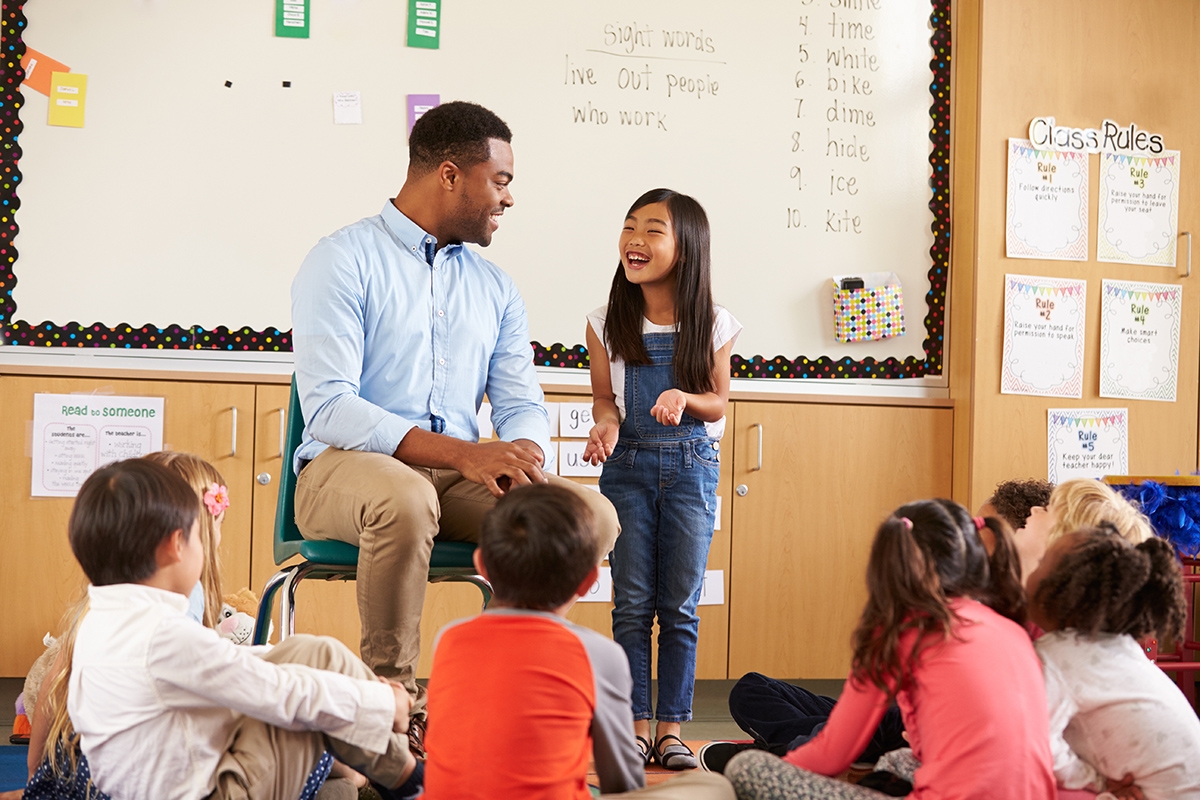
For example, a sad student may be able to understand that they miss their parents outside the city and that sadness makes them behave in ways of withdrawal and non-participation. Naming the feeling can allow them to understand the "reason" behind their behavior and allow them to express their feelings to overcome them.
Teachers can do some exercises to practice naming emotions. Students can come up with a long list of different emotions and then see which one matches the way they are currently feeling.
Teachers can also ask students how they feel individually or set up a private space in the classroom so students can write down their current feelings. When students practice these activities consistently, they develop self-awareness and habits that provide them with more flexibility to meet life's challenges.
Write Down What You Feel
| A person cannot be fully rational, as emotions are an integral part of healthy human nature. |
After students develop their ability to name feelings, they can practice writing about them in more detail. Writing about emotions in the context of a situation or story can be an outlet for abandoning negative emotions.
When it comes to writing about feelings, teachers can again make time for group or individual activities, which can be simple, such as dedicating 20 minutes a day to writing about emotions.
A group activity can be organized, such as a working paper containing a story with a plot. The main character goes through situations that will make it feel a certain way, and students will identify the feelings that the character can feel and why.
Draw What You Feel
It can be helpful to encourage students to draw what their feelings might look like, and this can include using colors and shapes or drawing students in a situation usually consistent with a particular emotion.
Integrating writing and drawing exercises can help students identify their emotions, thus facilitating their management and improving their self-regulation abilities.
Build Healthy habits to Deal with Psychological and Emotional Stress
Teachers can help students develop healthy habits to deal with psychological stress. For example, students who set reasonable expectations for their test results find it easier to reach their goals and will not be disappointed with the results of a particular test.
By setting a goal early and working to achieve it, the student can divide what needs to be done into smaller action steps that can be controlled throughout the day, week, month, or semester. These habits result in effective stress management and stop the cycle of anxiety and stress.
In addition, setting reasonable expectations can mitigate the impact of a disappointing event, such as a poor test result, not making it to a sports team, or missing a friend's birthday party due to a family emergency.
Mitigating this emotional impact makes it easier to control all the negative emotions and thoughts associated with disappointment. It also allows students to use their self-regulation skills without indulging in emotional outbursts.
In Conclusion
A person cannot be fully rational, as emotions are an integral part of healthy human nature. However, when faced with critical decisions that cannot be undone, we must learn to manage our emotions.


Add comment