Experiential Learning: Concept, Importance, and Strategies
The world of education can no longer afford to stay disconnected from the rapid advancements we witness today. The need for education to keep pace with these ever-evolving demands has become more pressing than ever.
Education must evolve its tools, moving beyond the slow-paced, traditional methods reliant on memorisation and rote learning, and embrace a new phase focused on immersive experiences, building expertise, and direct, hands-on learning. This is the core of experiential learning, which we will explore in today’s article.
The Shift to Experiential Learning
Education can no longer remain stagnant while the world moves ahead. There is now an urgent need for education systems to evolve to match society's fast-paced advancements. The days of traditional teaching methods based on lectures and memorisation are behind us. We are moving towards a more dynamic phase emphasising hands-on learning and gaining expertise through direct experience. This shift is embodied in the concept of experiential learning, which we delve into today.
What is Experiential Learning?
Experiential learning stands out because it relies on interaction and experience as the primary tools to stimulate the learning process. In this article, we will briefly explain the experiential learning theory and explore its concept, importance, and implementation strategies.
A Brief Overview of Kolb’s Experiential Learning Theory
Before diving into the concept of experiential learning, we must first acknowledge its originator, David Kolb, who introduced this theory in his book Experiential Learning. According to Kolb, experience is the foundation of learning and development. His theory builds on the work of John Dewey, Kurt Lewin, and Jean Piaget.
Kolb’s Experiential Learning Cycle
Kolb’s theory consists of a four-stage learning cycle, each stage interconnected with the others:
- Concrete Experience: Engaging in a new experience.
- Reflective Observation: Observing and analysing the new experience.
- Abstract Conceptualisation: Developing theories to explain observations.
- Active Experimentation: Applying the theories to solve problems and make decisions.
Kolb’s Dual-Dimensional Model
Kolb’s theory uses a two-dimensional model:
1. The Vertical Dimension
This concerns how we perceive, feel, and think. The “concrete experience” aspect reflects how we process information. It represents a learning style that depends on sensory experience. Learners here rely on their personal judgments and prefer to process each situation individually. They learn best through practical examples they can immerse themselves in, using reflection and generalisation to understand abstract concepts cand omparing theories to their personal experiences.
2. The Horizontal Dimension
This relates to how we handle information, whether through reflection, action, or observation. It can be further broken down into:
- Reflective Observation: Contemplating how experiences affect different areas of our lives.
- Action: Testing information in a new scenario.
- Active Experimentation: Applying new knowledge in practical situations.
Kolb’s Four Learning Styles
Kolb suggests how individuals perceive and process information shapes their learning style. The ideal learning style is a balanced approach, which provides the most comfortable learning experience. Kolb sees these styles as a continuous series that individuals move through over time, but some people prefer and rely on one style more than others.
These are the key styles educators should be aware of when developing learning opportunities:
1. The Accommodating Style
Individuals who adopt this style primarily learn through personal experience. If this sounds like you, you’re likely someone who enjoys executing plans, immersing yourself in new, challenging experiences, and relishing courage over logical analysis. You tend to rely on others for information rather than on technical analysis when solving problems. People with this style often work in fields such as marketing or sales, and they prefer structured learning environments where they can work with others to set goals, complete tasks, and experiment with different ways to accomplish projects.
2. The Diverging Style
Individuals who adopt this learning style excel at viewing situations from multiple perspectives. If this describes you, you likely thrive in environments that require generating a wide range of ideas, such as brainstorming sessions. You may have a variety of cultural interests, enjoy gathering information, and possess both a vivid imagination and heightened sensitivity—qualities that are crucial for creative industries and service-oriented professions.
3. The Assimilating Style
Those who follow this style are best at understanding a broad range of information and organising it into concise, logical models. If you fall into this category, you may be more interested in abstract concepts and ideas than focusing on people. Individuals with this style often value theoretical soundness over practical application, making this approach vital for scientific research and knowledge-based professions.
4. The Converging Style
People who favour this style are adept at finding practical uses for ideas and theories. If this is your preferred style, you likely excel at problem-solving and decision-making by finding solutions to questions and challenges. You might prefer working on technical tasks and issues rather than social or interpersonal matters.
The Concept of Experiential Learning
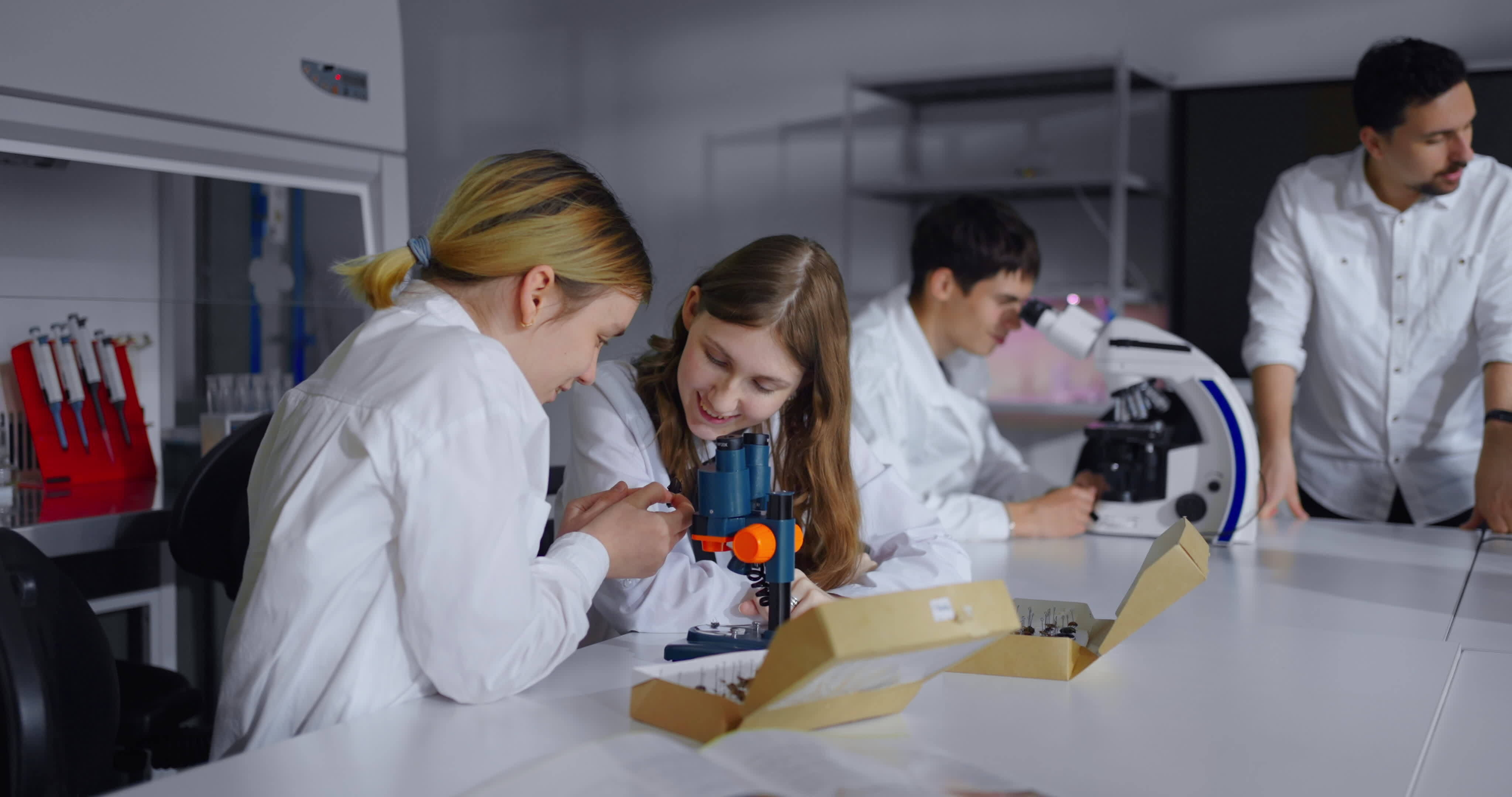
Experiential learning refers to a learning approach that primarily relies on hands-on experiences as an integral part of the learning process. It involves active participation by learners in real-world settings, activities, and reflections to acquire knowledge, develop skills, and shape attitudes and values. This method surpasses traditional classroom teaching techniques by encouraging students to actively engage, explore, experiment, and reflect on their experiences.
In this context, experiential learning encourages learners to take an active role in their own education rather than passively receiving information. It provides opportunities to apply what they’ve learned in real-life scenarios, deepening their understanding of the subject matter and enhancing critical thinking, problem-solving, and decision-making skills.
Experiential learning empowers learners to tackle challenges and undergo inspiring, relevant experiences that align with their interests and goals. It can take various forms, such as field trips, internships, community service projects, simulations, outdoor adventures, cooperative learning, and hands-on experiments. Often, these experiences are immersive, challenging, and designed to meet learners' specific interests.
Reflection is also a crucial element in experiential learning, as it helps learners process their experiences, extract meaningful insights, and apply them in future situations. The primary goal of experiential learning is to foster comprehensive education by connecting theory to practice, promoting personal growth and self-awareness, enhancing teamwork and communication skills, and nurturing a sense of social responsibility. This approach is widely used in diverse educational settings, from schools and colleges to vocational training programs and community organisations.
The Importance of Experiential Learning
The significance of experiential learning lies in the benefits it brings to learners, educators, and society alike. Here are some key reasons why experiential learning is so valuable:
1. Active Engagement
Experiential learning promotes active participation by engaging learners in hands-on activities, problem-solving, and real-world experiences. This active involvement enhances interest and retention of knowledge and skills.
2. Deeper Understanding
Applying learned concepts directly to real-world contexts makes experiential learning lead to a deeper understanding of these concepts. This approach bridges the gap between theory and practice, giving learners practical insights into the relevance of classroom knowledge.
3. Development of Critical Thinking and Problem-Solving Skills
Experiential learning nurtures critical thinking and problem-solving abilities. When learners face real-world challenges, they are encouraged to analyse problems and think creatively. These skills are essential across academic, professional, and personal contexts.
4. Skill Development
This approach focuses on the development of practical skills, enhancing abilities such as communication, teamwork, leadership, adaptability, and time management. These skills are vital for success in both professional and personal life.
5. Personal Growth
Experiential learning fosters personal growth and self-awareness. It provides learners with opportunities to build resilience, overcome challenges, and gain confidence in their abilities. It also encourages a sense of purpose, identity, and emotional and social well-being.
6. Real-World Relevance
Experiential learning provides learners with a practical understanding of how to apply knowledge and skills in real-life situations. This serves as effective preparation for the challenges of life beyond the classroom and helps learners feel that their learning is relevant and meaningful.
7. Social and Emotional Learning
Experiential learning enhances social and emotional development by encouraging collaboration, empathy, understanding diverse perspectives, building interpersonal skills, cultural competence, ethical decision-making, and contributing to personal development.
8. Career Readiness
Experiential learning plays a crucial role in preparing students for their future careers. It offers them practical experience, effective professional networking, and a clear understanding of career pathways, ultimately increasing their employability.
Experiential Learning Strategies
These are educational methods focused on enhancing practical experiences and active participation to facilitate learning by encouraging students to engage in activities and apply their knowledge in real-world contexts.
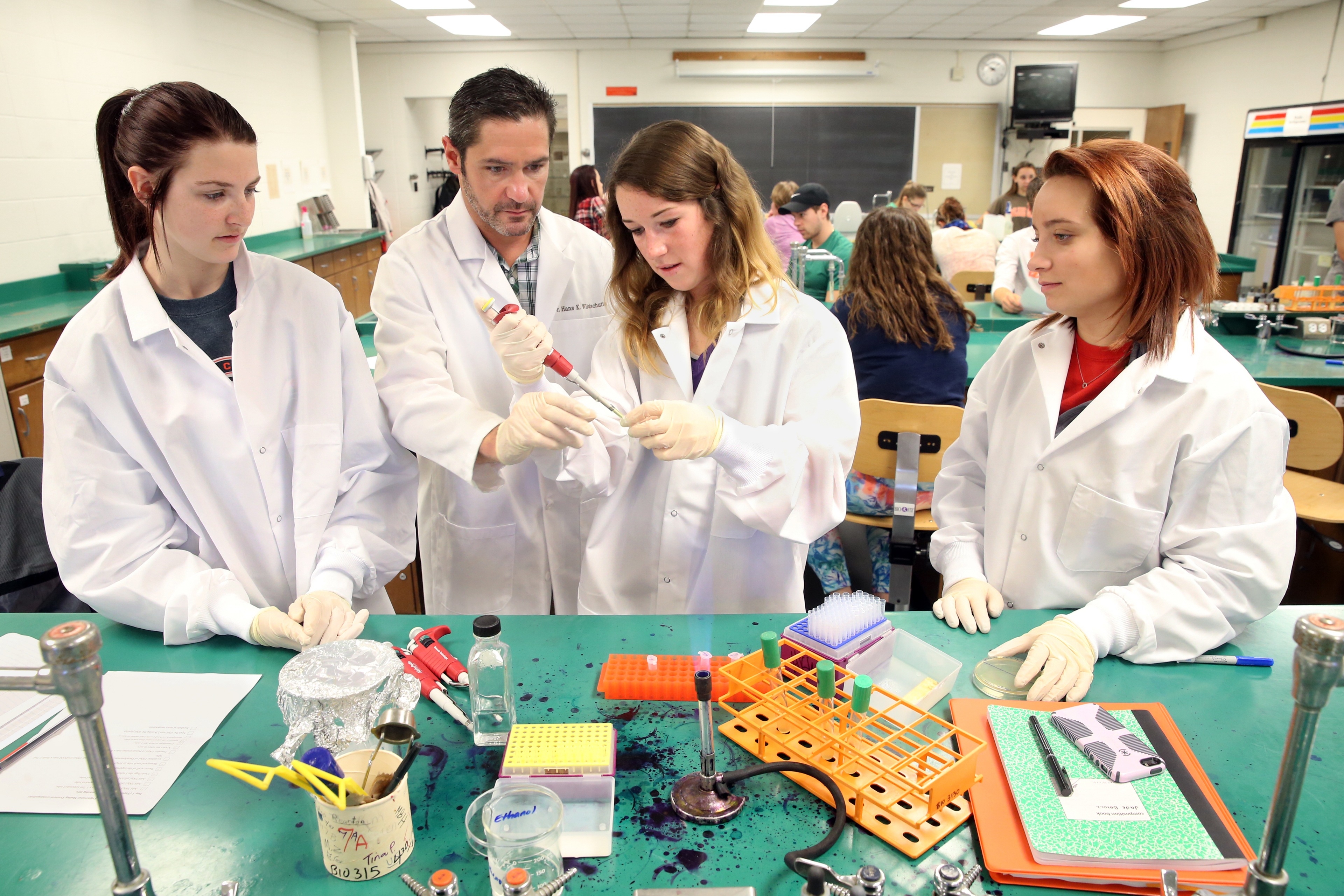
Here are some common experiential learning strategies:
1. Project-Based Learning
This approach engages students in projects that require them to explore real-world problems or conduct research with their peers. For example, a project aimed at improving the school environment may involve students analysing challenges and proposing effective solutions.
2. Field Trips
Taking students outside the classroom allows them to visit places like museums or historical sites, deepening their understanding of subjects and making learning more tangible. For instance, a field trip to a nature reserve could help students study biodiversity.
3. Role-Playing and Simulations
This method allows students to take on different roles in a simulated environment. For example, students could form a mock courtroom, simulating legal proceedings to understand the justice system.
4. Community Service
This approach combines community service with academic study, where students provide services that address community needs. For instance, students might organise an awareness campaign about a specific social issue.
5. Cooperative Learning and Internships
Students participate in practical work experiences, applying academic concepts in real-world work environments. This helps develop their skills and professional networks.
6. Problem-Based Learning
Learners are presented with real-life problems and tasked with finding solutions. For instance, students could design sustainable solutions to local environmental challenges.
7. Outdoor and Adventure Learning
This approach encourages taking students into nature for educational activities. For example, a learning trip to a forest could help students understand the natural environment and foster teamwork.
8. Self-Exploration
These exercises offer structured opportunities for students to reflect on their personal experiences, such as through journaling or group discussions, helping them analyse and understand their own experiences.
The integration and diversity of these strategies create a rich and comprehensive learning experience that enhances active participation and critical thinking for learners.
To Wrap Up
Experiential learning lies at the heart of effective education. It gives students the opportunity to interact with the material in meaningful and practical ways, deepening their understanding and grasp of key concepts. Educators can encourage students to think critically and creatively and develop their problem-solving skills by using experiential learning strategies. However, experiential learning requires careful planning and implementation to ensure that learning experiences are relevant and beneficial.
In the future, experiential learning will become even more important with the increasing reliance on skill-based learning in the 21st century. It provides the necessary tools for lifelong learning, which is essential for success in a rapidly changing world.