



In this article, we'll see how Jason Flynn, Global Head of Learning at GfK, has developed continuous learning strategies that work at scale and explore how building resilient learning habits can help employees and organizations grow. Why is feedback from users essential to the success of continuous learning?
The most important strategies offered by Jason
- Create habits, not just deliver courses: Help your employees understand that learning is not a one-time activity, so make continuous learning part of the organizational culture.
- Adopting flexible learning strategies: Provide flexibility with a range of learning opportunities and help people have the ability to develop their careers and do so in their own way.
- Education for All: Engage everyone in learning through open learning sessions, and provide all learning resources for each employee.
- Discussions: Use feedback to understand the success of a culture of continuous learning, and try to use what you have learned to develop new learning opportunities.

We will now talk about each of the strategies mentioned above in more detail:
1. Create habits, not just deliver courses
Whatever field you work in, you will notice the pace of change accelerating in recent years, whether you are dealing with retirement or technological advancement. Your organization needs a well-developed set of skills to maintain its relevance in the short and long term.
For Jason, it is not just about deploying the right tools and techniques. If your employees are to develop the skills required to succeed, they need the right attitudes and behaviors. This starts with realizing that learning is not unlimited; rather, it is a continuous process, and learning and development are effective only if they are integrated into work and become a daily habit.
“Continuing learning is not about spending half a day in a class,” says Jason. “It’s about making time to practice micro-learning, starting a series of courses, watching YouTube videos, or even reading an article. Learning is not limited to what we offer.” We need to educate people that there are a lot of other opportunities available to them, and we're not asking for a huge commitment from them; we're just doing things regularly.
2. Adopting flexible learning strategies
People will only develop continuous learning habits if they can learn in ways that are right for them. From learning while surfing the internet on mobile devices to the latest discussions on social media, it must offer flexibility with a wide range of learning opportunities. Adopting flexible learning strategies enables people to advance their careers.
In 2019, Jason was ready to launch training for the GfK global business team, and when the coronavirus pandemic hit, he had to transition to a flexible blended learning approach.
The two-day workshop has become a 16-week educational program, including a combination of e-learning and live online coaching.
Learners continued their learning journey through the use of online resources and constant updates. The result was an impactful learning experience.
“People liked it because they had time to reflect on what they had learned, give feedback and take coaching, all of which we wouldn't be able to do in a couple of days in a class, but it didn't end there," says Jason: "In the past, we did programs where education ends once it's given, but learning shouldn't end, so we added a lot of different things to support people going through this training to make sure they get it."
3. Education for All
Building a culture of continuous learning is an ongoing journey for most organizations to stay on the right track. You have to grab people's attention and help them keep learning.
With learning environments changing due to the pandemic, Jason and his team have been looking for new ways to keep their staff engaged, and after exploring a variety of ideas, they started offering monthly live learning sessions, which were open to all employees, where idea leaders discussed globally important topics. This resulted in positive feedback and an increase in the number of employees wanting to explore more.
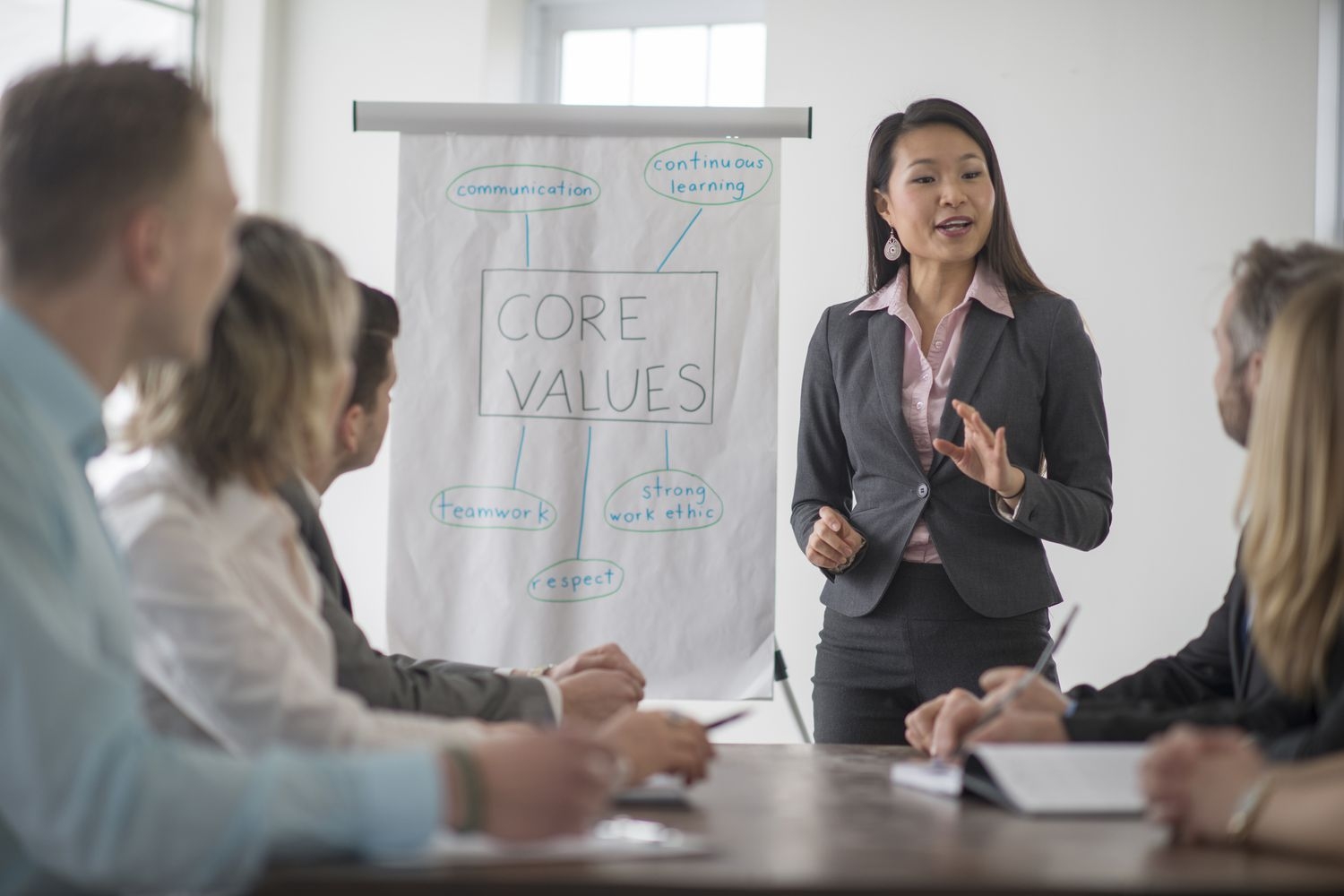
"I've been really excited about this in all of our learning offerings," says Jason. "In the e-learning platform, for example, I don't hide any information. I don't want leadership training just to help leaders; I want to help people who aspire to be leaders. I don't hide any information from anyone because I believe this helps the process of continuous learning."
4. Discussions
The learning and development process should create a culture of continuous learning, but how will you know you are moving in the right direction?
There's a lot of digital learning data out there that can measure engagement, but for Jason, it's learner feedback that really shows that your people embrace a culture of continuous learning, and that feedback isn't just a key metric; it also helps determine the course of the learning and development process.
“There are statistical metrics for engagement in our training, but I understand the impact of continuous learning from people asking me for more learning opportunities, and I think that's great to continue these discussions "because it's not just about what the company wants,” says Jason:" It's about taking the opinions of employees in the organization into account and trying to offer something before people realize it's needed."
In conclusion
The skills needed for companies to succeed are constantly evolving, so if you want to keep up with the latest developments and trends, employee education and development must be an ongoing process.
Jason has four strategies for fostering a culture of continuous learning:
- Establish continuous learning habits rather than simply offering e-learning courses.
- To provide freedom and flexibility so that people can develop on their own.
- Education for all.
- Create discussions with learners to measure your success and continuous improvement.


Add comment