6 Strategies for Learning New Things As A Parent
Learning new things takes time and energy, but these are often in short supply when you have kids who demand your full attention after a long day at work.
Note: This article is from blogger Scott Young, who shares 6 strategies for learning new things when you have kids.
My approach to learning new things changed drastically after having kids. I used to have plenty of free time to explore new topics, and my only criterion for jumping into something was whether it piqued my interest enough.
Now, I have two amazing children, and like other parents, I come home from work to an endless to-do list. There's hardly much time or energy left for learning challenging new things when kids wake you up in the middle of the night.
This article covers six strategies for learning new things, whether you have kids or not. These strategies will help you continue learning even amidst a busy schedule. Here they are:
Six Strategies for Learning New Things
1. Make the Most of Your Interrupted Time
Deep, focused work is important. Uninterrupted mental flow increases productivity and enables you to take on difficult cognitive tasks. However, having children makes it difficult to have long, uninterrupted stretches. You never know if their nap will last two hours or fifteen minutes, making it hard to predict your free time and focus for extended periods.
Certain things are best learned over prolonged periods of focus, while others can be learned through brief, intermittent bursts. These small pockets of time can be incredibly valuable if you know how to use them effectively.
For example, shortly after my son was born, I started learning my wife’s native language. I made many flashcards to help me memorise common vocabulary. Despite my inability to commit to extended study sessions, the flashcards on my phone helped me make the most of the few free moments I did have to learn.
2. Get Projects Ready to Take On
Learning is difficult when there isn't enough time to concentrate. Not knowing how much time you'll truly have makes it even harder. You might hesitate to start reading a book, watching a course, or working on a hands-on project if you don’t know whether you have five minutes or two hours to focus.
I noted that getting tasks ready so I could start working on them right away helped me deal with this problem. The fewer reasons you have to delay, the easier it is to dedicate more time to learning.
This was a game-changer for me in terms of learning to draw. Drawing was a hobby before I had children. I used to enjoy drawing as a hobby, but I would dedicate extended sessions to it. However, setting up all the tools and then packing them away quickly was annoying, so I quit drawing. I handled this by setting up a dedicated drawing space so I could start and stop with minimal effort.
You can still set things up to be ready to go, even if you don’t have extra space at home for your projects. You can keep digital work open on your desktop, leave lecture videos open in a tab on your computer rather than reloading them, and organise your supplies in a box for convenient access and storage.
When you can’t guarantee long periods of focus, the best way to spend more time learning is to reduce the time it takes to get started.
3. Learn Things Aligned with Your Goals
Another strategy that has worked well for me is looking for opportunities to learn things that align with my goals. For example, learning a physical activity combines both learning and exercise. Working on a project with friends or partners allows you to socialise more.
The takeaway is that it's easier to block out time in your schedule for a dual-purpose learning activity than to try to accomplish two distinct goals.
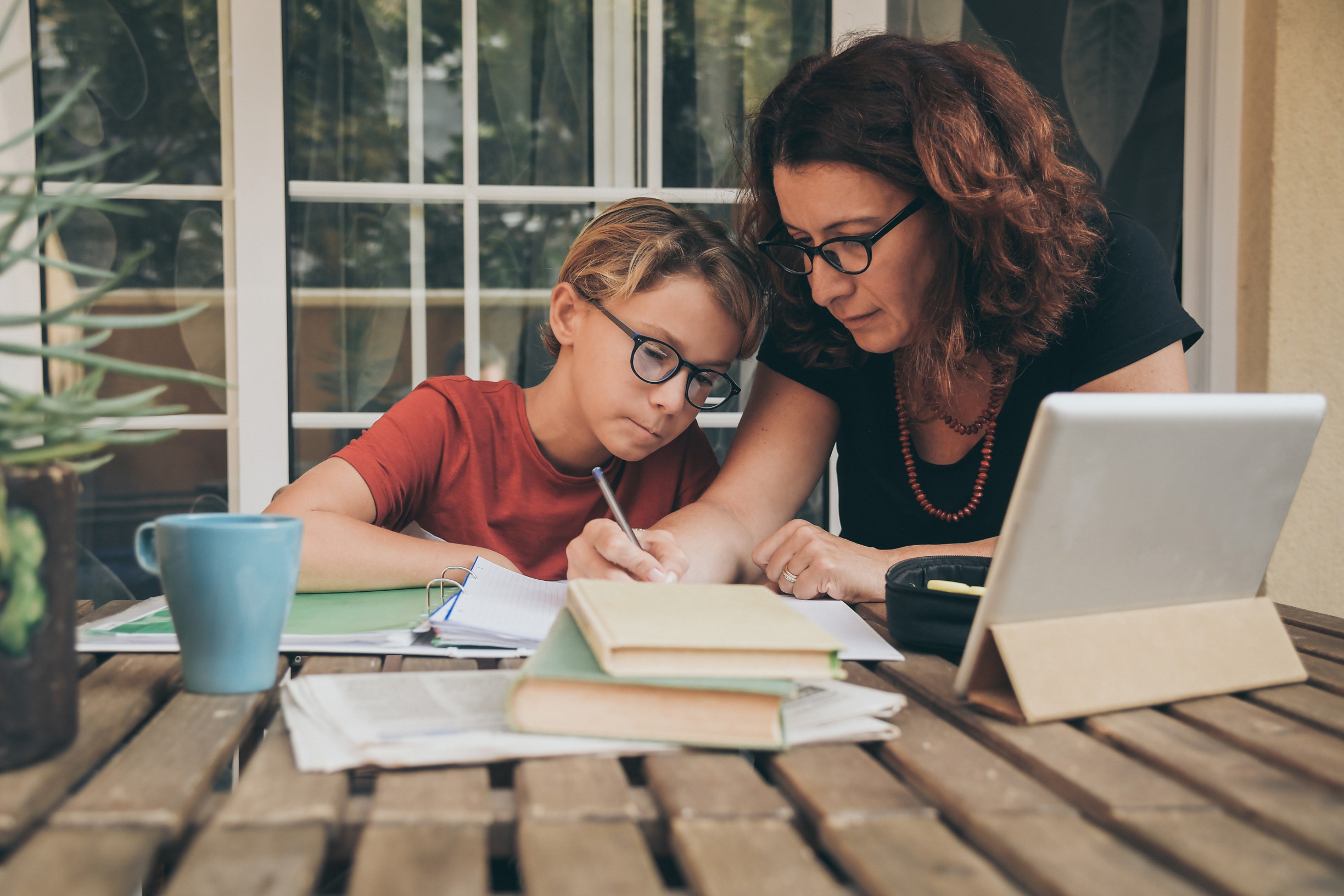
4. Learn with Your Kids
Choosing a project to work on with your kids can be a great way to spend time with them and teach them new things, depending on their age. Sports, art, languages, or even just learning about animals or plants are things that children enjoy and should learn.
One of the best ways to teach your children that learning never stops is to continue learning with them after school. The best way to instill a lifelong learning mindset in children is to model this behaviour yourself.
5. Don’t Wait for Perfect Conditions to Start Learning
Mary Somerville, the renowned science writer and mathematician who was also a mother of five, was advised to pursue a career in botany by her acquaintance. She agreed to this offer and decided to study it for an hour daily while nursing her child.
Learning is best done in a peaceful, distraction-free environment where you can concentrate for extended periods of time, but such settings are hardly available. When my son was born, I would wake up every three hours to help my wife care for him.
We kept the room dark, but I stayed awake for 20–30 minutes during these times, so I used that time to listen to podcasts. My wife also started following daily French lessons for 30 minutes during our son’s morning nap.
I don’t recommend this type of multitasking for learning anything that requires a high cognitive load. Still, these small chunks of time are often perfect for listening to an audiobook or watching an educational video.
6. Learn from Your Kids
Children are our best teachers; they learn at an incredible pace, pick up dozens of new words daily, and master skills like sitting, crawling, standing, walking, running, and jumping. They can get annoying at times due to their incessant questions, yet this is how they pick up all the knowledge we take for granted.
Observing how your children learn is the best way to keep learning after having them. Raising children is an ongoing learning experience from simple things, you learned so long ago that they now seem second nature to helping with homework on subjects you barely remember. Children enrich our lives and motivate us to learn new things, not the opposite.