



Research shows that the vast majority of children of divorced parents, who are well-groomed and cared for, show no lasting negative effects in terms of their grades, social skills, complacency, or self-esteem. What about those small, significant traumas that are not captured in any study?
The more I began talking to researchers, doctors, divorced parents, and adult sons who had been through a divorce, the clearer it became that I could raise a happy, healthy child in a variety of circumstances, including not staying with his father.
Is it possible to raise a child without the presence of one parent?
This may seem difficult to comprehend because we know intuitively that children must be raised by married parents who live together, preferably with a lazy dog sleeping by the fireplace, one or two siblings and the random weeds that sprout from the garden by the kitchen window. However, various studies over the past forty years show that this is not what a child needs to have a proper upbringing.
Research shows that about 80% of children of divorced parents cope well without any long-lasting negative effects on their grades, social resilience, or mental health. These findings come from a variety of sources, including a 20-year study by psychologist Constance Ahrons, which was published in her book We're Still Family: What Grown Children Have to Say About Their Parents' Divorce.
E. Mavis Hetherington, a child development psychologist, demonstrated in a study conducted on 2,500 children who had experienced divorce that about 80% of children do well. The same conclusion appeared in a 2012 meta-survey conducted by child development expert Michael Lamb, a professor at Cambridge University, where he analyzed nearly 1,000 studies about post-divorce changes over the past four decades.
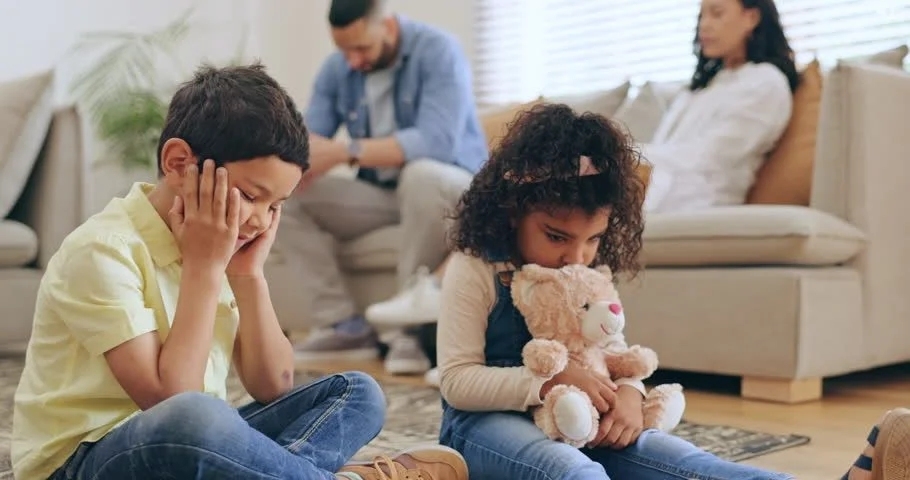
Is marriage an obligatory prerequisite for a child's growth, both spiritually and psychologically?
Children develop well when they have good relationships with each of the parents, main caregivers, or adults whom they interact with. However, parents do not need to be married or live in the same household. Children benefit from emotionally stable parents and gain multiple advantages, including stability, love, and fulfillment of emotional needs, but these parents do not have to be married or live in the same household.
Children also need adequate resources such as food, a safe house, and social support. These resources can be provided by unmarried parents. Research and studies conducted by dozens of scholars show that marriage is not very important for a child's well-being. Rather, they require a loving relationship with parents who are not involved in conflicts and a decent home life. All families go through good times and bad times, so children face several disappointments as they grow up, and divorce is part of these disappointments and this may be another form of parenting.
Important pointers and guidelines for interacting with your former partner in order to establish a healthy co-parenting arrangement
1. Consider your relationship with your former partner as a business relationship
Treat the relationship with your former partner as a business partnership. Your "business" is the welfare of your children. Talk or write to your ex as you would to a co-worker—with kindness, respect, and neutrality. Relax and talk slowly.
2. Ask in the form of suggestions
Requesting something may be misinterpreted as an order so try to articulate your requests as questions. Requests can begin with "Would you like to...?" or “Can we try…?”
3. Start effective communication by listening
Effective communication begins with listening. Even if you end up disagreeing with your ex, you should at least be able to get your point across to them. Listening does not mean agreeing so you have nothing to lose if you allow your ex to express their opinions.
4. Demonstrate self-control
Keep in mind that communication with one another will be essential throughout your kids' childhood so you must train yourself not to overreact, and over time you will find yourself feeling numb to a lot of the things that used to make you angry or irritated.
Tips and instructions that parents should follow in co-parenting after marriage
1. Don't talk negatively about your partner
You know better than anyone else that your children repeat everything they hear and see. So if you have a negative opinion about the other party, you should never express it in front of children because this relationship is private and should not be affected by the opinion of either partner. Talking badly about your ex confuses your children and encourages rebellious and irresponsible behavior.
2. Do not involve your children in disputes
If you have any misunderstandings with your ex, talk to them directly, and never use your children as middlemen, whether directly or indirectly. Studies show that children thrive in a state of psychological and emotional stability; thus, intense conflict between parents may affect the psychological, mental, and physical health of your children.
3. Do not change things
If you and your ex can't agree on a simplified parenting style, now may not be the ideal time to start a new one. Keep in mind that your children are going through a critical transition period. So gradual shifts in your parenting style may be better accepted than big, sudden changes.
4. Do not be afraid and let things take their course
Just like in any transitional period, all you have to do is allow everyone some rest and freedom, and simply let things take their course. There will be some negative incidents and mistakes so arguments will break out and you may get frustrated. Don't let these things stop you from moving forward in raising your children, and as events unfold over time, each day will be better than the last so try to stay balanced.
5. Do not exclude anyone from your ex’s family
Indulgence and simplicity are great ways to facilitate a successful transition. So prepare your kids for visiting times, and let them call their other parent or grandparents whenever they want, as they're going through this divorce just like you.
6. Cooperate with your ex
Ask your ex to engage in your children's daily life and spontaneous activities, and be careful to avoid frivolous ideas such as letting the children see only one side of their family and relatives. This will end up hurting and confusing your children. It is very important for the children to feel that even though you are not together like before, you both still love them.
7. Express your love more
Tell your children that none of this is their fault. They will likely tend to blame themselves so it is up to you and your ex to quell these thoughts by creating an atmosphere of affection and reassurance. Expressing unconditional love will never be difficult, and it can make a difference in your child's emotional care.

What benefits can children gain from co-parenting after marriage?
1. Promoting the children's sense of confidence
When children trust both parents' love, they adapt faster and easier to divorce and new living situations and they develop better self-esteem.
2. A better understanding of problem-solving
Children who see their separated parents continue to work together are more likely to learn how to solve problems on their own effectively and peacefully.
3. Providing a healthy example to follow
By collaborating with the other parent, you create a lifestyle that your children can learn and apply in the future to build and maintain stronger relationships.
4. Becoming mentally and emotionally healthier
Children who witness conflicts between parents are more likely to develop problems such as depression, anxiety, or ADHD. With separation, such incidents end, and this protects them from their dangerous repercussions.
In conclusion
Remember that how you feel about the ex is not as important as how you feel about your children. Always keep your children at the forefront of your concerns to allow for a healthy transition. It may be a difficult and harsh time for you, your partner, and your children as well, but it is just a transitional stage limited to a specific period of time and will not last forever.


Add comment