



As a result, the cross-border movement of people and goods is now easier than ever. Globalization has significantly impacted culture, even though it has opened up new avenues for economic expansion and cross-cultural interaction.
Globalization has increased interconnectedness and enabled ideas, values, and practices to spread across nations and regions. On the other hand, it has brought about the homogenization of culture as global norms and values have dominated local and traditional norms and values.
In this article, we will first discuss how globalization has homogenized culture before looking at how it has affected cultural diversity and possible repercussions for society.
Definition of Cultural Homogeneity
Cultural homogeneity is the process by which various cultural traditions and practices mutually influence one another. The result is a loss of excellence and diversity in culture. Many variables, including developments in communications, transportation, and technology, have aided in the dissemination of global norms and values over regional and customary ones. Because globalization has made it possible for Western cultural norms and values to be disseminated widely throughout the world, it has also significantly contributed to cultural homogeneity.
The growth of popular culture and international media is one of the core causes of cultural homogeneity. Western cultural norms and values have dominated local and traditional norms and values due to the growing global popularity of Western media, including Hollywood films, television shows, and music.
Global media's proliferation has also brought cultural tastes, preferences, and lifestyles closer together. That led to the erosion of local and regional cultural identities, particularly for young people, who are frequently more exposed to popular culture and global media than older generations.
Global brand and consumer culture emergence is another factor that contributes to cultural homogeneity. Global brands have emerged due to market globalization, providing unified and consistent goods and services throughout various nations and regions.
As a result, consumer lifestyles and preferences have become more similar. The result has been the disintegration of regional customs and beliefs. The proliferation of consumer culture has also resulted in the commoditization of culture. Cultural practices and expressions are marketed and packaged as goods for international consumption.
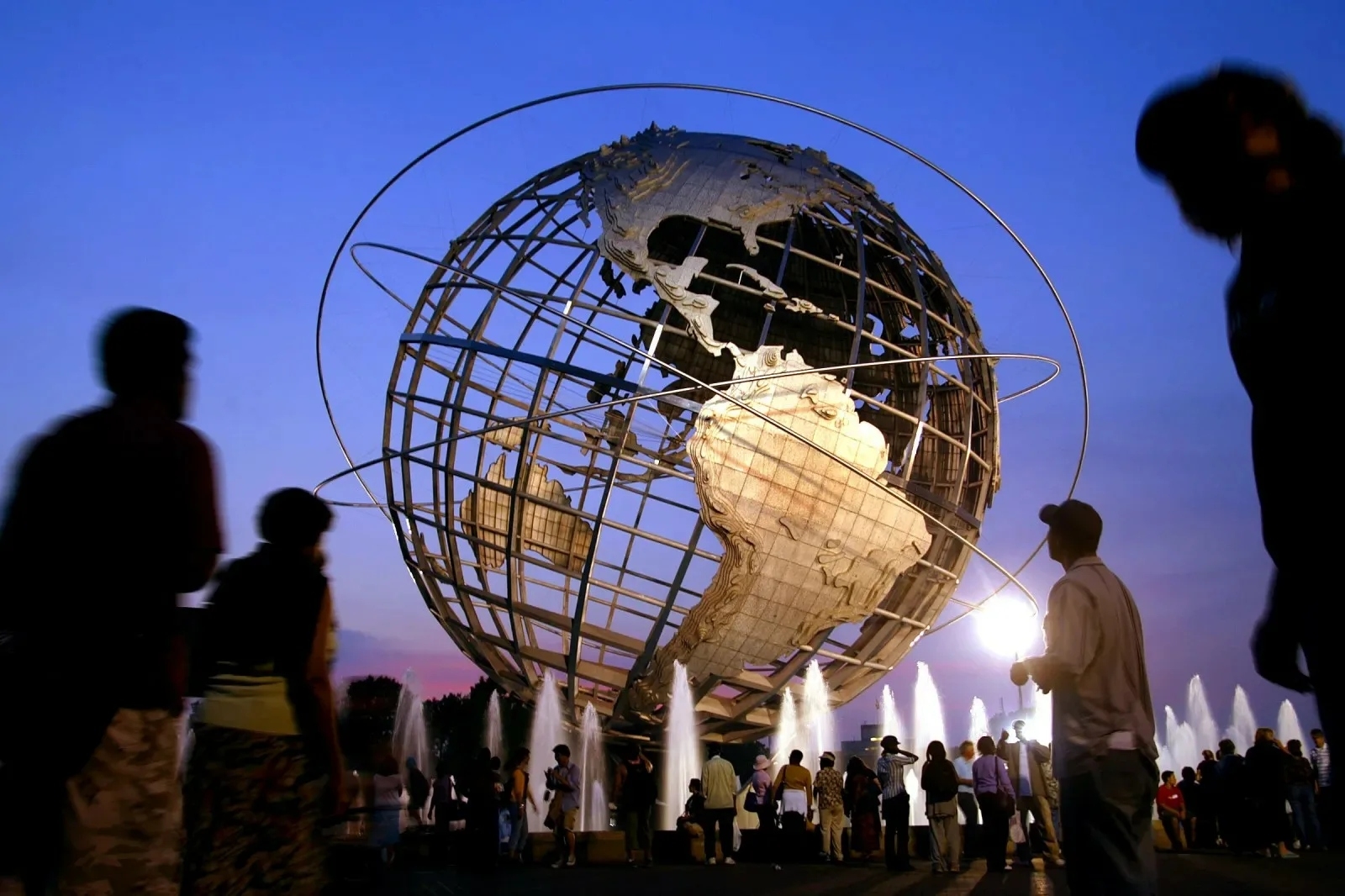
Examples of cultural homogeneity resulting from globalization
Many different instances of cultural homogeneity brought about by globalization can be seen in many facets of modern culture. The following are a few of the most notable examples of cultural homogeneity brought about by globalization:
1. Westernization of Popular Culture
The widespread of Western music, films, and TV series, and the dominance of Western popular culture are arguably the most significant illustrations of the cultural homogeneity brought about by globalization.
2. Globalization of Food
Fast food franchises and global food chains are now commonplace in many regions of the world.
3. Language Standardization
Due to English's rise to prominence in international communication, regional tongues and languages have been marginalized.
4. Globalization of Fashion
There has been a consolidation of fashion preferences and a decline in local and regional styles due to the increasing global popularity of global fashion trends and brands.
5. Unification of Architecture
Modern architecture has replaced traditional buildings and structures with modern, standardized designs, undermining traditional architectural styles and practices and resulting in a loss of cultural heritage and identity, especially in developing nations.
Negative results of cultural homogeneity
Some of the most significant adverse effects of cultural homogeneity brought about by globalization include the following:
1. Loss of Cultural Diversity
Cultural homogeneity can result in the loss of cultural diversity because global norms and values have supplanted regional and traditional practices and beliefs.
2. Cultural Imperialism
Cultural imperialism results from cultural homogeneity, as dominant cultures force their beliefs and customs upon subordinate cultures, frequently at the sacrifice of their own cultural legacy.
3. Turning Culture into a Commodity
Cultural homogeneity can result in the commercialization of culture, whereby cultural manifestations and customs are packaged and sold as goods intended for a worldwide audience.
4. Loss of Cultural Heritage
Cultural homogeneity can result in the loss of cultural heritage because global norms and values have dominated traditional practices and beliefs.
5. Environmental Degradation
Cultural homogeneity contributes to environmental degradation because global production and consumer cultures frequently put profit ahead of sustainability. That can result in pollution, the depletion of natural resources, and other environmental issues.
It is critical to be aware of these effects and to work hard to protect and celebrate cultural diversity and its legacy in all its manifestations. The preservation of cultural diversity is crucial for the health of human societies and ecosystems, as it is a significant component of human heritage and identity.

Definition of Cultural Diversity
The existence of a broad variety of cultural expressions, practices, beliefs, and traditions within a society is referred to as cultural diversity. It acknowledges the distinctiveness of every culture, including the significance of appreciating and respecting cultural diversity. Many facets of human society, including language, food, music, art, clothes, religious beliefs, and social mores, can exhibit cultural diversity.
Cultural diversity is vital to the health of human societies because it enables people to express who they are, share their stories, and engage in meaningful communication with one another. Diversity in culture fosters critical thinking, creativity, and innovation. People draw on various cultural experiences and viewpoints to solve issues and think of fresh concepts. Additionally, because it encourages people to recognize and respect cultural differences, cultural diversity can support social cohesion and peaceful cohabitation.
Maintaining cultural diversity is crucial for protecting human history and legacy. Every culture has a distinct set of customs, beliefs, and practices that are a reflection of its identity, history, and values. These cultural manifestations and customs add to the diversity and richness of human society and are an integral part of the human legacy. Thus, preserving cultural diversity is essential to maintaining cultural legacy and identity.
Globalization and other forces that encourage cultural homogeneity, however, frequently pose a threat to cultural diversity. Loss of cultural identity and legacy could result from the decline of cultural diversity. Universal norms and values replace regional and traditional customs and beliefs. That may result in the marginalization of non-dominant cultures, including stifling artistic and cultural expression. As a result, maintaining and appreciating cultural diversity is crucial to human societies' health in terms of legacy and identity preservation.
Positive results of cultural diversity
Cultural diversity benefits human societies in various ways, from the development of creativity and innovation to social and economic advantages. Here are a few instances of how cultural diversity can be beneficial:
1. Social Cohesion
Cultural diversity can promote social cohesion by encouraging individuals to respect and value cultural differences. That could promote a feeling of belonging. People from various cultural backgrounds come together to exchange viewpoints and experiences. Diversity in culture may also aid in the decrease of bias and discrimination. People acquire an appreciation for the significance and distinctiveness of various cultures.
2. Economic Benefits
Communities can profit economically from cultural diversity by promoting trade, tourism, and the arts. For instance, cultural tourism can draw tourists interested in experiencing regional cultural expressions and customs, bring in money, and open up job opportunities for the community. Encouraging the creative industries, such as music, art, and handicrafts, may provide economic opportunities for individuals and communities.
3. Creativity and Innovation
Cultural diversity can foster creativity and innovation by providing individuals with different cultural perspectives and experiences. That could result in the creation of novel concepts, goods, and services influenced by various cultural customs and traditions. For example, the fusion of different cultural music genres leads to new, unique, and innovative styles.

4. Personal growth
Cultural diversity has the potential to foster personal growth by enticing people to discover and investigate diverse cultural expressions and customs. This can extend their viewpoints, improve their comprehension of the world, and foster compassion and understanding for others. People who are exposed to a variety of cultures are also better able to define their own identities and sense of self, as well as recognize and value cultural differences and similarities.
Possible consequences of globalization for society
Globalization has positive effects on cultural diversity, but its potential consequences for society are complex and multifaceted. Here are some of the possible consequences of globalization for society:
1. Cultural Conflict
Globalization may lead to cultural conflict. The dominant culture aims to force its beliefs and customs on non-dominant cultures. Conflicts and tensions between various cultural groups may result from this. They fight to preserve their independence and cultural identity. Social cohesiveness may suffer from cultural conflict, which can also give rise to prejudice, discrimination, and even violence.
2. Loss of cultural heritage
Globalization may lead to the loss of cultural heritage. Universal norms and values spread through time, undermining traditional practices and beliefs. This results in the loss of cultural identity and may be detrimental to people's mental health and general well-being, as well as that of their communities. Therefore, cultural heritage must be preserved and promoted to guarantee that future generations can appreciate and benefit from their cultural traditions.
3. Environmental degradation
Globalization also has negative consequences for the environment. Global consumer culture promotes waste production and consumption of natural resources, which can result in environmental problems like pollution, climate change, and biodiversity loss.
4. Unequal distribution of power
Globalization leads to an unequal distribution of power and resources among different cultural groups. Dominant cultures benefit from global economic and political systems at the expense of non-dominant cultures. Inequality in society and the economy may result from this. Decision-making processes may marginalize and exclude non-dominant cultures. Therefore, social justice and equity must be promoted to guarantee that every cultural group engages fully in society and reaps the benefits of its resources.
In conclusion
Cultural expressions and practices have become more homogenized and diverse due to globalization, which has also had a significant negative impact on cultural heritage and diversity. However, cultural diversity has also been enhanced by the blending and sharing of multicultural expressions and practices.
The potential consequences of globalization for society are complex and multifaceted, ranging from power imbalances and environmental degradation to conflicts between cultures. Therefore, to create a more equitable society, it is necessary to promote cultural diversity, social justice, and cultural diversity. We can establish a peaceful and stable world by realizing the connections between cultural diversity and social and environmental sustainability.


Add comment