



You'll need various strategies to tackle these challenges effectively. Initially, you'll have to identify the root causes, and when putting these solutions into practice, you'll inevitably encounter real-world challenges. This article introduces you to design thinking—its concept and characteristics—to help you navigate these challenges.
What is Design Thinking?
Some people might associate the term "design" with graphic design or product aesthetics, but design thinking is much broader. It involves finding creative and innovative solutions to problems by deeply understanding people's needs, challenges, cultural contexts, and lifestyles. These solutions might involve changes in strategies, systems, and policies, or they could be improved services and infrastructure.
Recently, design thinking has become increasingly popular and is considered vital to the success of big international corporations such as Google, Amazon, and Netflix. This approach has been integrated into corporate strategies, educational systems, administrative processes, and various profit-oriented and non-profit sectors.
Design thinking is a powerful tool for tackling challenges, solving problems, and enhancing life through creative, human-centred solutions that focus on understanding and addressing people's needs and desires. The growth of communication technology, the digital revolution, and the tools and gadgets that have facilitated our lives and increased our sense of community are clear examples of its influence.
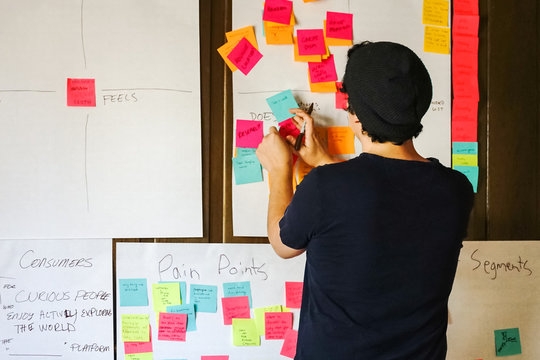
Stages of Design Thinking
The iterative stages of design thinking ensure that individuals and organisations can consistently deliver optimal solutions to any problem they encounter. Here is a detailed look at each stage:
1. Empathise: Understand the Problem
Design thinking emphasises understanding others and empathising with their experiences. This involves directly observing and interacting with users to grasp their needs and obstacles.
2. Define: Define the Problem
Define the problem clearly based on deep understanding and insights into user needs. This stage requires articulating the problem in a way that allows the design team to focus on core issues.
3. Ideate: Generate Ideas
At this stage, many potential solutions are generated to address the user's challenges. This phase encourages creative thinking through brainstorming, mind mapping, and idea trees.
4. Prototype: Implement Ideas
The design team quickly turns theoretical ideas into practical, low-cost prototypes. These include sketches, cardboard models, or interactive simulations that are tested and refined based on feedback.
5. Initial Testing
Preliminary tests are conducted on prototypes with the help of users to gather immediate feedback. This step is crucial for understanding the effectiveness of proposed solutions and improving them based on real-world experiences.
6. Integration
Prototype testing results are analysed, and the design is continuously improved and modified. This iterative process continues until final solutions meet users' expectations and needs.
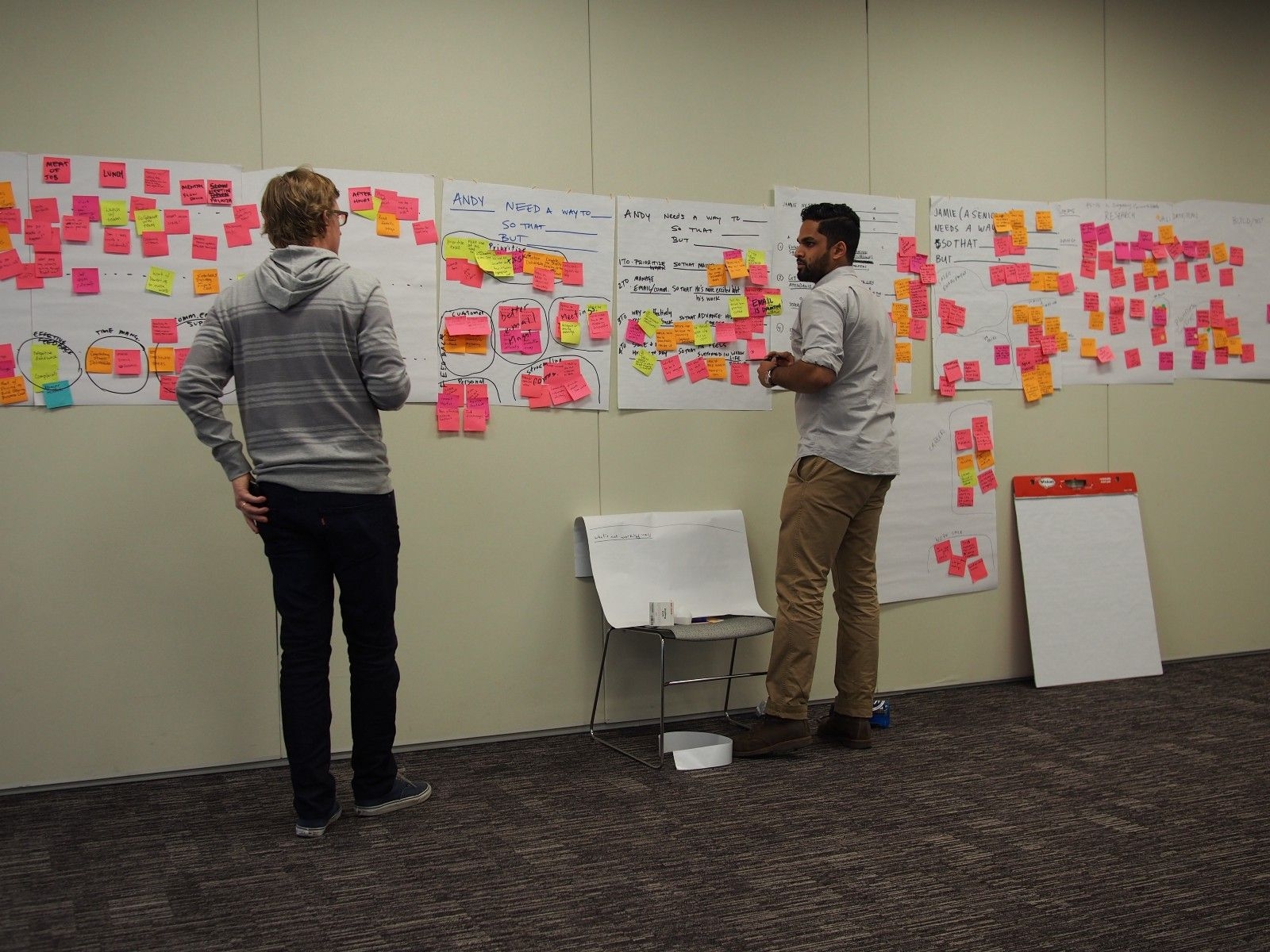
Skills for Design Thinking
Developing a design-thinking approach doesn't happen overnight. It requires following various methods to enhance and improve your skills over time, ultimately benefiting you in the future. Here are the key design thinking skills you should possess:
1. Openness to Others
Gaining a thorough grasp and being receptive to the opinions of others are crucial skills you should acquire. They can significantly influence effective communication with users and address their challenges.
2. Analysis and Problem-Solving
Not all leaders can analyse and solve problems with meticulous attention to detail, critically study each aspect, and identify the core issues that need resolving.
3. Creative Imagination and Idea Generation
The ability to creatively imagine and generate ideas is a fundamental design thinking skill. Leaders must possess this ability to stand out and elevate their team's performance.
4. Building and Testing Prototypes
Skills in quickly constructing and designing prototypes and testing them with users to understand how they interact with proposed solutions.
5. Ability to Collaborate
You cannot be proficient in design thinking without being able to work within a team and collaborate with those possessing diverse and new expertise to learn from.
6. Love for Continuous Learning
A continuous learner can keep pace with developments, enrich their thinking, and stay capable of dynamically and confidently addressing challenges.

Characteristics of Design Thinking
Design thinking shines in various aspects, enhancing creative processes and tackling obstacles across all fields. Here are the key characteristics of design thinking:
1. User-Centric Focus
Design thinking prioritizes the customer, paying meticulous attention to details. This continuous monitoring of user needs ensures that solutions are well-received and user-approved.
2. Boosting Creative Ideas
It encourages individuals to think outside the box, constantly enhancing their experience and venturing beyond conventional ideas to arrive at innovative solutions.
3. Comprehensive Problem Analysis
Design thinking is a holistic approach where problems are thoroughly analysed and understood, considering all surrounding cultural, economic, human, or technological factors.
4. Alignment of Design and Implementation
It harmonises design with execution, sketching the alignment between developers and designers early, thereby minimising the usual gap between them.
5. Continuous Improvement
Design thinking stimulates the examination of customer ideas and experiences, continually finding solutions to foster ongoing growth.
6. Better Future Insights
By creating an idealistic and broad vision and effectively solving problems, design thinking helps preserve and consistently apply effective methods.
7. Adaptability to Change
Promoting a culture of design thinking enhances the ability to adapt swiftly and flexibly to various developments, enabling organisations to face diverse changes and evolutions.
Examples of Design Thinking
Now that you understand the concept of design thinking, you might wonder how to apply it in real life. Here are some examples to inspire you to adopt and master this skill:
1. Product Design
Design thinking enhances the user experience with smartphones. Smartphone apps helped analyse user preferences and categorise them into specific groups, in addition to reaching new design developments tailored for each category. Moreover, engaging a diverse group of users to test prototypes ensures practical application later.
2. Service Improvement
For instance, speeding up patient registration in hospitals involves analysing every detail of the patient’s experience. This process design focuses on electronic interaction and is tested on a group of patients to gauge their satisfaction and get immediate feedback.
3. Creating Various Services
Enhancing the interaction between citizens and their government by interviewing citizens to understand their challenges leads to designing digital experiences for easier access to government services.
4. Business Innovation
Discovering new growth opportunities in a specific market involves identifying and understanding customer needs. This process generates new product ideas for market supply and is tested to assess user acceptance and immediate feedback.
5. Solving Social Issues
Design thinking encourages using alternatives to plastic when industrial waste increases in a particular area. It also promotes awareness campaigns to protect the environment, encouraging recycling, afforestation, and forest fire prevention.
Wrapping Up
We've explored the concept and characteristics of design thinking and how it helps address various problems and improve solutions comprehensively. It highlights the role of collaboration between innovation, implementation, and all technical aspects to deliver practical and effective solutions.



Add comment