


Most women are at risk for high cholesterol levels and are unaware of that. According to Dr. Michos, "The total cholesterol level of approximately 45% of women over 20 years of age is 200 mg/dL and above, which we consider high. However, the American Heart Association conducted a survey that found that 76% of women do not even know what their cholesterol values are."
Even more frightening is that triglycerides - a pattern of blood fat usually measured alongside cholesterol - are more dangerous to women's health than men’s. This is problematic because women's cholesterol levels are exposed to some minor postmenopausal fluctuations as well as their tendency to rise with age, which significantly increases their risk of heart disease and stroke. Therefore, knowing your cholesterol numbers and how to control them to stay within the natural range is a step towards staying healthy.
High-Density and Low-Density Cholesterol Concept
Cholesterol is a waxy substance found in each of the body's cells and may be sourced from in-body manufacturing or absorption from foods. The body needs it to make important steroid hormones, including estrogen, progesterone and vitamin D. Estrogen is a female hormone that is released from the ovaries and is responsible for normal sexual development and menstruation regulation.
Progesterone is excreted from the yellow body (corpus luteum), rising at a certain stage of the menstrual cycle to stimulate ovulation. The body also uses cholesterol to make bile acids inside the liver, which are responsible for absorbing fat during digestion.
Some cholesterol is essential for vital processes in the body, but we can do without bad cholesterol. Excessive bad cholesterol levels can deposit in the arteries. These deposits are called plaques that cause atherosclerosis - a type of atherosclerosis in which the walls of the arteries become deformed and narrow due to the accumulation of lipid plaques whose symptoms do not start until midlife, or arterial sclerosis, which is the main cause of heart attacks, strokes, and other vascular diseases.
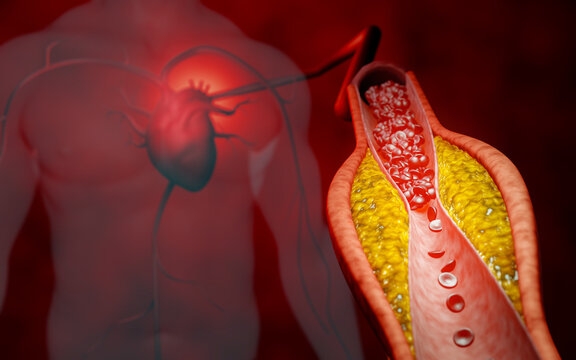
The total cholesterol level is a measure of the total amount of cholesterol circulating in the bloodstream, and it includes several components:
1. LDL Cholesterol or Low-Density Lipoprotein
Known to be bad cholesterol, it directly contributes to the accumulation of lipid plaques inside the arteries. There is another type of it, "VLDL" cholesterol, or very low-density lipoprotein, which is also the precursor to "LDL".
2. Total cholesterol in the body is made up of three types of cholesterol
"HDL"+"VLDL"+"LDL".
3. HDL Cholesterol or High-Density Lipoprotein
Experts believe that when it reaches optimal levels of 50 mg/dL, it may help the body get rid of bad LDL Cholesterol.
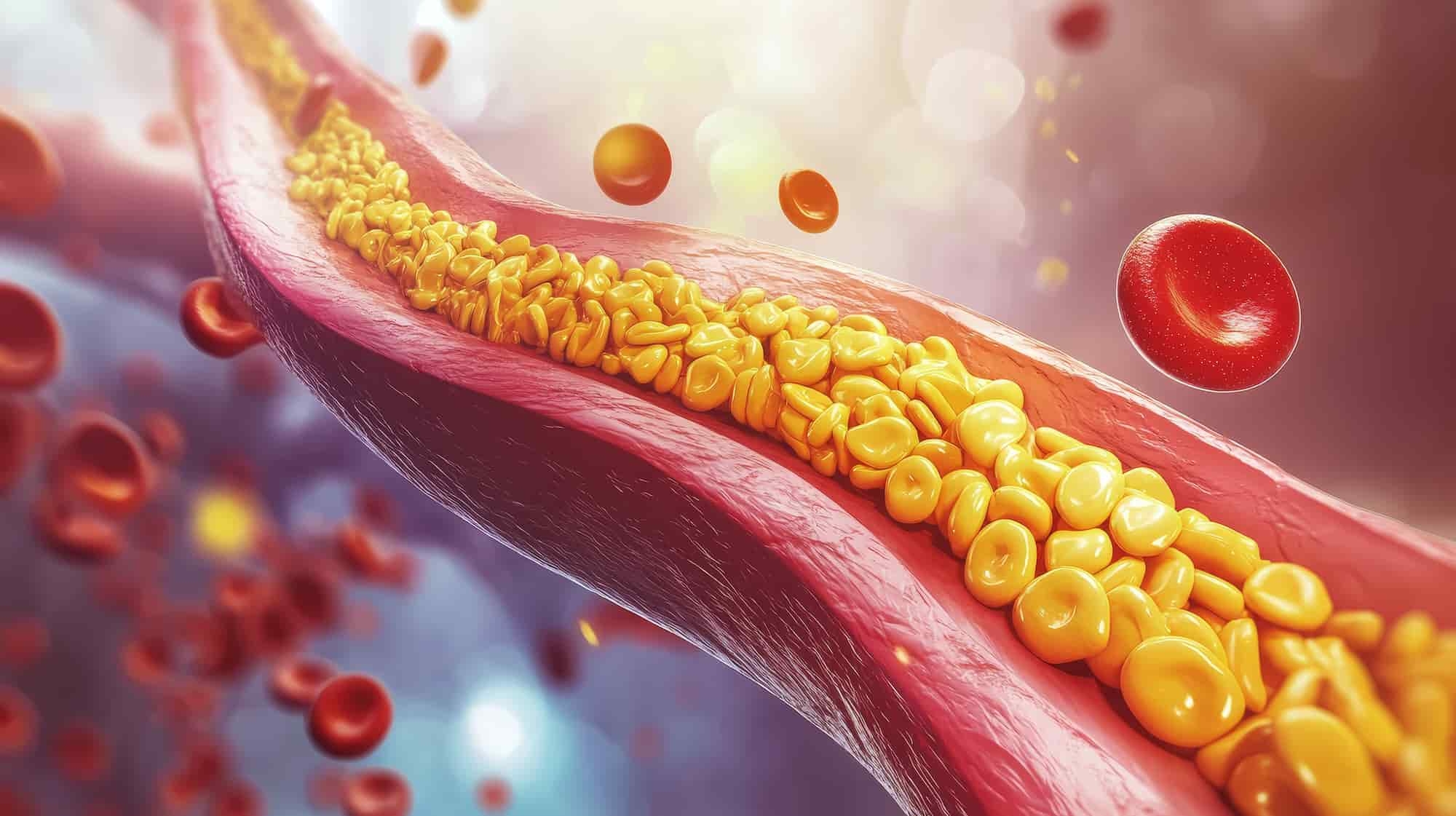
When bits of the previous three types spread throughout the body, the following happens: Bad LDL cholesterol particles tend to stick to the lining of the arteries, as when soap foam gathers in sewage tubes. When they stick to the arteries, they instigate an inflammatory response in reaction to their presence, so that the body begins to turn them into plaques. These plaques cause increased stiffness of the vessels, narrowing their hollows, which hampers the blood flow towards vital organs of the body such as the brain and the heart muscle and in turn leads to high blood pressure.
In addition to the above, small lipids can break off these plaques, and circulate with the bloodstream to settle into the body's smaller sub-arteries causing a heart attack or stroke. It should be noted that this accumulation of bad cholesterol in the arteries starts in the early 20s.
What You Need to Know about Triglycerides
Triglycerides are another type of fat found in the blood circulation, which women should pay special attention to. "Higher levels of triglycerides appear to predict a higher risk of heart disease in women than in men,” Dr. Michos says.
When the diet contains more calories than the body needs, the body converts the extra calories into triglycerides, which are stored inside the adipocytes. Triglycerides are used naturally by the body for energy generation, but people with excessive triglycerides are at greater risk of developing health problems, including cardiovascular disease (CVDs).
Excessive consumption of alcoholic beverages and foods containing simple sugars, such as sugary, starchy, saturated, and trans fats, can contribute to raising triglyceride levels. Some diseases can also cause an increase in them, such as diabetes, hypothyroidism, obesity, kidney disease, and polycystic ovary syndrome.
Triglycerides also circulate in the bloodstream in the form of particles, and they also contribute to the accumulation of lipid plaques in the arteries. Many women with high triglycerides have additional risk factors for atherosclerosis, such as high levels of bad LDL cholesterol, low levels of good HDL cholesterol, or abnormal levels of glucose or blood sugar, and genetic studies have also shown some association between triglycerides and cardiovascular disease.
Prevention and Treatment of High Cholesterol Levels
Cholesterol is a natural compound found in the blood circulation of all humans, but when you have high levels of this lipid, you are considered to have hyperlipidemia or hypercholesterolemia. This is a major risk factor for heart attacks, heart disease, and strokes, as 71 million Americans have high cholesterol.
What Does Cholesterol Level Mean?
A standard blood lipid test usually measures the concentration of total cholesterol, HDL cholesterol, and triglycerides, while the level of bad LDL cholesterol is typically estimated based on previous values using a fixed formula, which was recently reviewed by researchers and developed at the Johns Hopkins Medical Center.
According to Dr. Michos, the ideal level of “bad” LDL cholesterol should be less than 70 mg/dL, the “good” HDL cholesterol level in a woman should ideally be close to 50 mg/dL, and triglycerides should be maintained at a level below 150 mg/dL. Michos also indicates that total cholesterol levels well below 200 mg/dL are the best.
Causes of Different Effects of Cholesterol in Women
In general, women have higher levels of "good" HDL cholesterol in comparison with men due to estrogen, the female hormone that promotes this good cholesterol. A woman's body undergoes many changes during menopause, and most women experience a change in their cholesterol level at this point, as the level of total and bad LDL cholesterol rises and the values of "good" HDL cholesterol decrease.
Therefore, women who had favorable levels of cholesterol in their childbearing years may end up with higher levels in later years. Genetic factors and the lifestyle of the woman can play a big role in this as well.
How to Reduce Cholesterol Levels?
1. Pharmaceutical means
Depending on the total risk of CVD, you can be treated with a cholesterol-reducing drug, such as statins. The decision to use these drugs relates to a woman's overall risk of heart attack or stroke, taking into account all risk factors and her bad LDL cholesterol values.
According to Dr. Michos, it is strongly recommended to give statins as a drug to prevent high cholesterol levels in cases of pre-existing vascular disease, evidence of atherosclerosis, or if you are at high risk of developing cardiovascular disease because statins work to treat plaques in the arteries and reduce levels of bad LDL cholesterol.
2. Diet and healthy lifestyle
"A well-balanced diet and a healthy lifestyle are very important to maintaining healthy and adequate cholesterol levels, and even for women who are prescribed statins, having a healthy, balanced lifestyle helps these medications work better," Dr. Michos tells us.
To maintain a healthy lifestyle that promotes appropriate cholesterol levels, you need to do the following:
- Maintain a healthy body weight.
- Don’t smoke.
- Exercise for at least 30 minutes, five days a week or more.
- Enrich your diet with fruits, vegetables, lean protein, and large amounts of soluble fiber, which is found in beans and oats, and can reduce the level of bad LDL cholesterol.
- Avoid sugar-sweetened drinks and fruit juices, choose unsweetened water and tea instead, and limit your intake of other simple sugars such as bread, cakes, pastries, and sweets.
- Refrain from drinking alcoholic beverages.
- Try to follow a Mediterranean diet that includes plenty of fruits, vegetables, fish, whole wheat bread, olive oil instead of butter, spices, and seasonings instead of salt.
- Include monounsaturated and polyunsaturated fats in your diet, such as those found in olive oil, nuts, and fatty fish, such as salmon. Michos indicates that it has a positive effect on cholesterol levels by reducing the amount of bad cholesterol (LDL) in the blood and reducing the inflammatory reaction in the walls of the arteries, especially when you stop consuming and replacing saturated fat in the diet.
Add the following to your shopping list:
- Fatty fish, such as salmon, trout, mackerel, sardines, and white tuna.
- Nuts, including walnuts, almonds, and hazelnuts.
- Olive oil and add a little of it to salads and vegetables.
In Conclusion
None of us wants to have high cholesterol, and there are ways to keep it under control. "Your levels of cholesterol and other blood fats can be kept under control through regular check-ups and paying attention to your diet to keep your heart healthy," Michos says.




Add comment